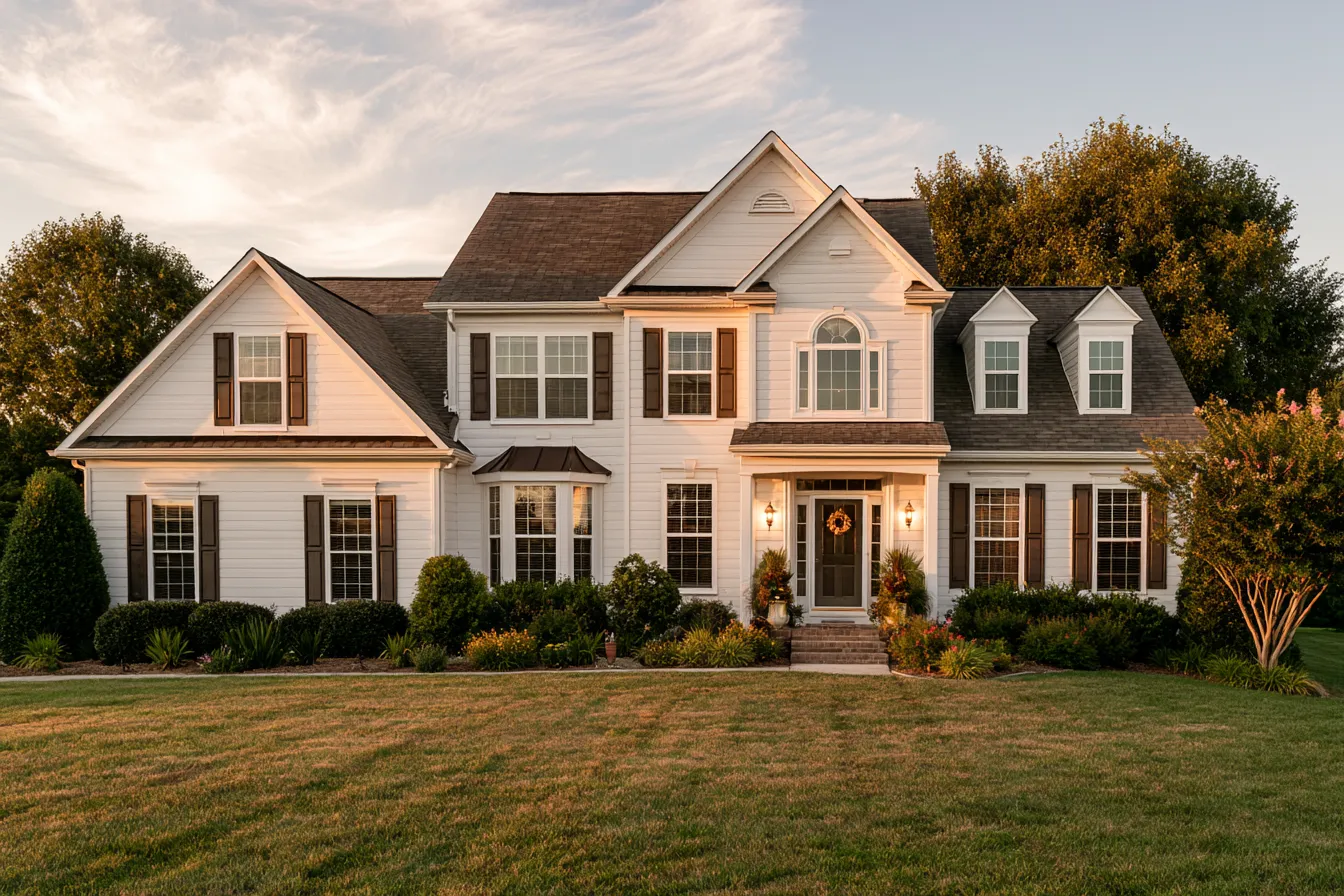
Roof Inspection in University Park, TX
When a sale is on a deadline, the roof is usually the one thing nobody can put in writing. A roof inspection in University Park, TX does exactly that: what is up there, what condition each plane is in, and the date somebody stood on it.
What a University Park sale needs the roof to say
A roof becomes urgent at two moments in a transaction. A buyer reads a line in a general report that nobody can put a figure against, or a seller decides whether to put something right or disclose it and take the hit in the negotiation. Both readers are working to a date and neither has any attachment to the roof, so what they need is a description precise enough to price.
A general home inspection covers the roof from wherever it can be safely reached, and a good report says which that was. A roof inspection is the second pass: the slopes walked, details looked at on their own, the attic side used where it opens, and what is found photographed with a date attached. The finding can be that nothing needs doing, and on a house about to change hands that is a document worth owning.
What a roof inspection actually looks at
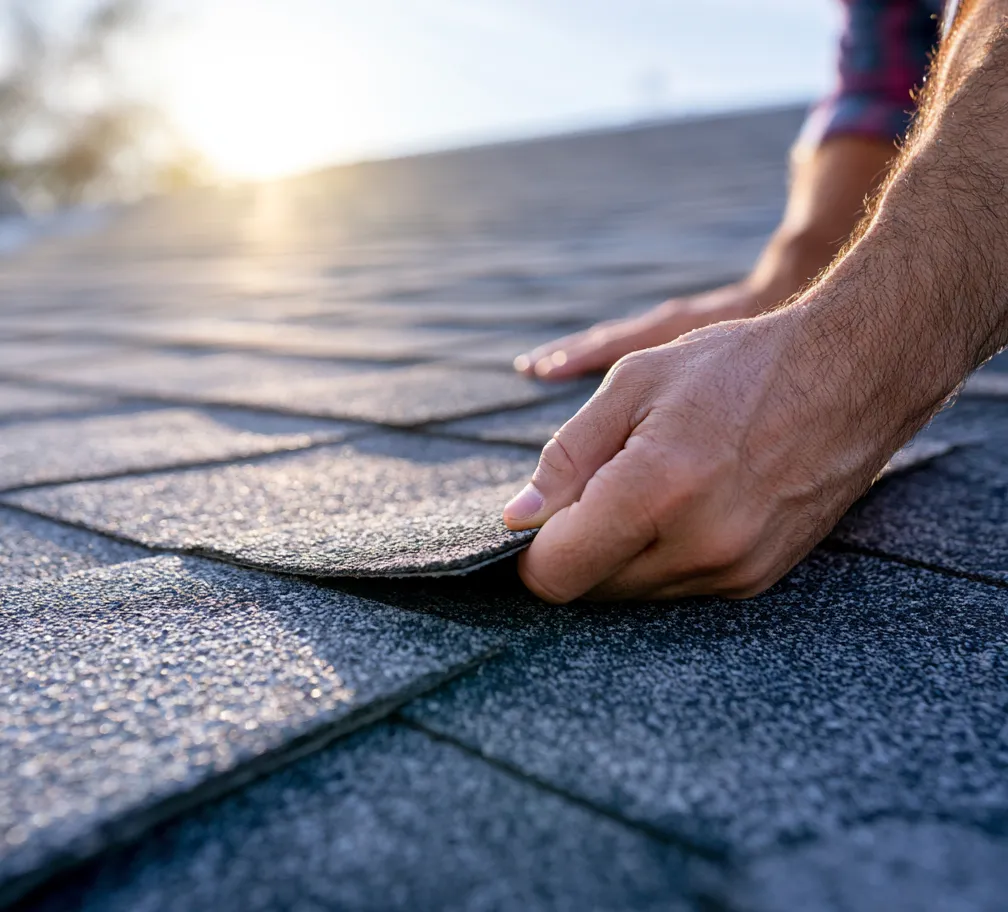
An inspection is a search with an order to it, because whatever sits above a finding usually explains it. The five checks below are recorded separately, and every one of them ends in a photograph.
- 01What The Covering Is, And How Much Is Left
- Material, how many layers are on the deck, granule cover plane by plane, and any area that has been worked on before. Years remaining is a guess; condition is measurable, and condition is what goes in the report.
- 02The Details, One At A Time
- Step and counter flashing, valley metal, chimney courses, vent collars and skylight curbs, each recorded on its own instead of being summarized as flashing. On an older roof this is the section a buyer's questions come out of.
- 03Water That Has Already Been In
- Staining on the underside of the deck, insulation that has been wet more than once, and daylight where there should be none. Where the attic opens, the boards date a problem the surface has long since dried out of.
- 04What Was Done To It Before
- Earlier patching, sealant standing in for metal, mixed materials, a second covering laid over a first. Work history decides part of what the next owner inherits, including how much of any paperwork on the roof still answers for anything.
- 05Where The Water Leaves
- Gutters, outlets, the eave detail and anywhere the pitch flattens out. Standing water and slow outlets take years off a covering that is otherwise in good order, and they are the cheapest items on this list to put right.
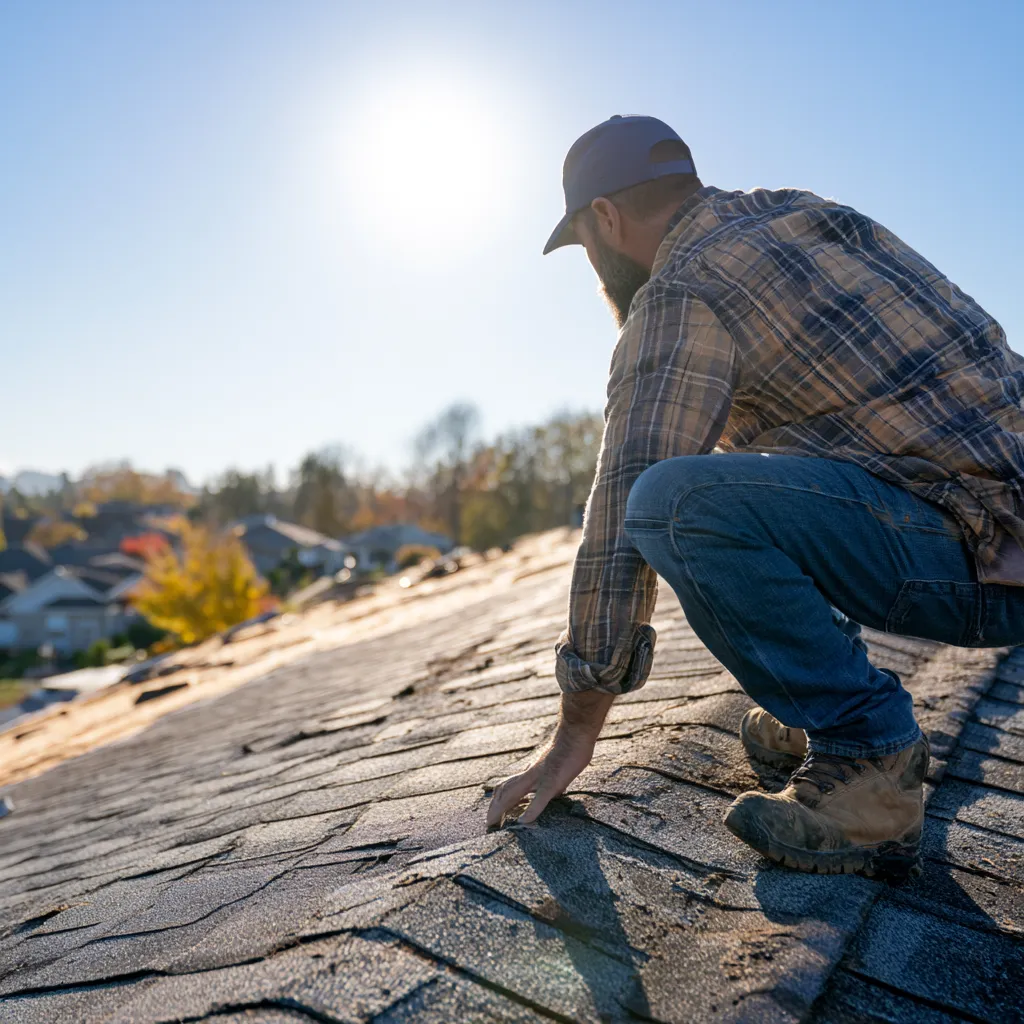
Each finding is photographed in place and located on a named plane, so somebody who was never on the roof can put it somewhere.
How the written read gets put together
The visit and the document are two separate pieces of work, and the second one is what is being bought. The order below is what produces it.
The whole roof, one slope at a time
A roofer works each slope in turn and spends the time at the transitions, since the middle of a plane is where the least happens. Steep or cut-up rooflines take longer and get the same treatment as simple ones.
The attic side gets used where it opens
Water that came through a year ago has left the surface and stayed in the boards. Where the space can be entered, the underside of the deck is what turns a suspicion on the roof into a finding with a date range on it.
The findings get written where they sit
Each item is located on a named plane, photographed, and described in language an agent, a lender or an adjuster can follow without a roofer beside them. Photographs do most of that work, because a picture of a lifted flashing settles an argument that a sentence cannot.
When a University Park roof is worth inspecting
Most inspections here are booked because of a date on the calendar, and only a few because something went wrong. The reasons below are the ones that arrive, and only one of them involves a leak.
- A contract with a deadline on it: a buyer who needs the roof described before the clock runs out, or a seller who would rather know now than negotiate later against something nobody has looked at.
- A line in a general report that nobody can price: phrases such as evidence of prior repair or deferred maintenance need a roof-specific second read before they turn into a credit request.
- A roof of unknown age: where the paperwork from the last replacement is long gone, condition is the only thing left to read, and it cannot be read from the ground.
- A storm since the last time anybody looked: what hail leaves behind is covered on the storm damage page, and the reason to date it early is that the evidence does not keep.
- A third repair on one plane: repeat work in one area points at a cause nobody has reached yet, and finding it is a different job from fixing the symptom again.
- Nothing on file at all: where no one has ever recorded the condition, every later conversation about the roof starts from memory, and memory is not something a carrier or a buyer will read.
A clean report is not a wasted visit. On a house about to change hands it is the most useful single document the roof can produce.
What a University Park inspection is worth on an older roof
The first look is free, and that is the offer whether or not any work follows it. The deliverable does not vary: a document, with photographs, naming each finding and where on the roof it sits. A roof described precisely stops being an open question in a negotiation.
Get the roof written up- A document that can be forwarded to an agent or a lender
- Every finding located on a named plane and photographed
- The date it was read, which is what makes it evidence later
Older University Park roofs, and what an inspector finds
Housing here spans enough decades that two houses on one block can be two different roofing conversations. The age of the covering is rarely the interesting number, because a roof that has been maintained and a roof that has been patched can carry the same date. Dallas County hail adds a second layer, since impact and ordinary wear grow alike after a season.
- 01Layers Nobody Mentioned
- A second covering over a first changes the weight on the structure, the cost of the next tear-off, and how much of the manufacturer paperwork still answers.
- 02Work Done Without A Record
- Repairs nobody wrote down show up as mismatched material and sealant standing where metal belongs. A buyer inherits all of it.
- 03A Ventilation Path Nobody Counted
- Air enters low and leaves high, or the covering runs hot. Where that path was never established the deck records it before the surface does.
- 04Marks That Read Two Ways
- Impact and ordinary wear both take granules off, and after a season the difference stops being obvious. Separating them early is worth more.
Year of construction predicts very little. Condition on a stated date is the only version a buyer, a seller or a carrier can act on.
What a University Park roof inspection report covers
The questions below come from both sides of a sale, and a few of them from owners with no sale in sight. Each answer says what the document can settle and what it cannot.
Q1We already had a general home inspection. Why a second one?
Q2How quickly can a report be ready?
Q3Who owns the report, the buyer or the seller?
Q4Will it say how many years the roof has left?
Q5We are listing next month. Fix it first, or disclose it?
Q6Can the report be used for an insurance claim?
Ask for a written inspection before you buy
An address and the date you are working to is enough to start, and a local roofer walks the planes and writes down what is there, going into the attic as needed when what is on top points inside. The report goes to whoever asked for it in the form it was written, including the version a seller would rather not forward and the version that ends a buyer's interest in the house. The report is yours to keep whether or not any work follows it.