Serving University ParkFree inspections
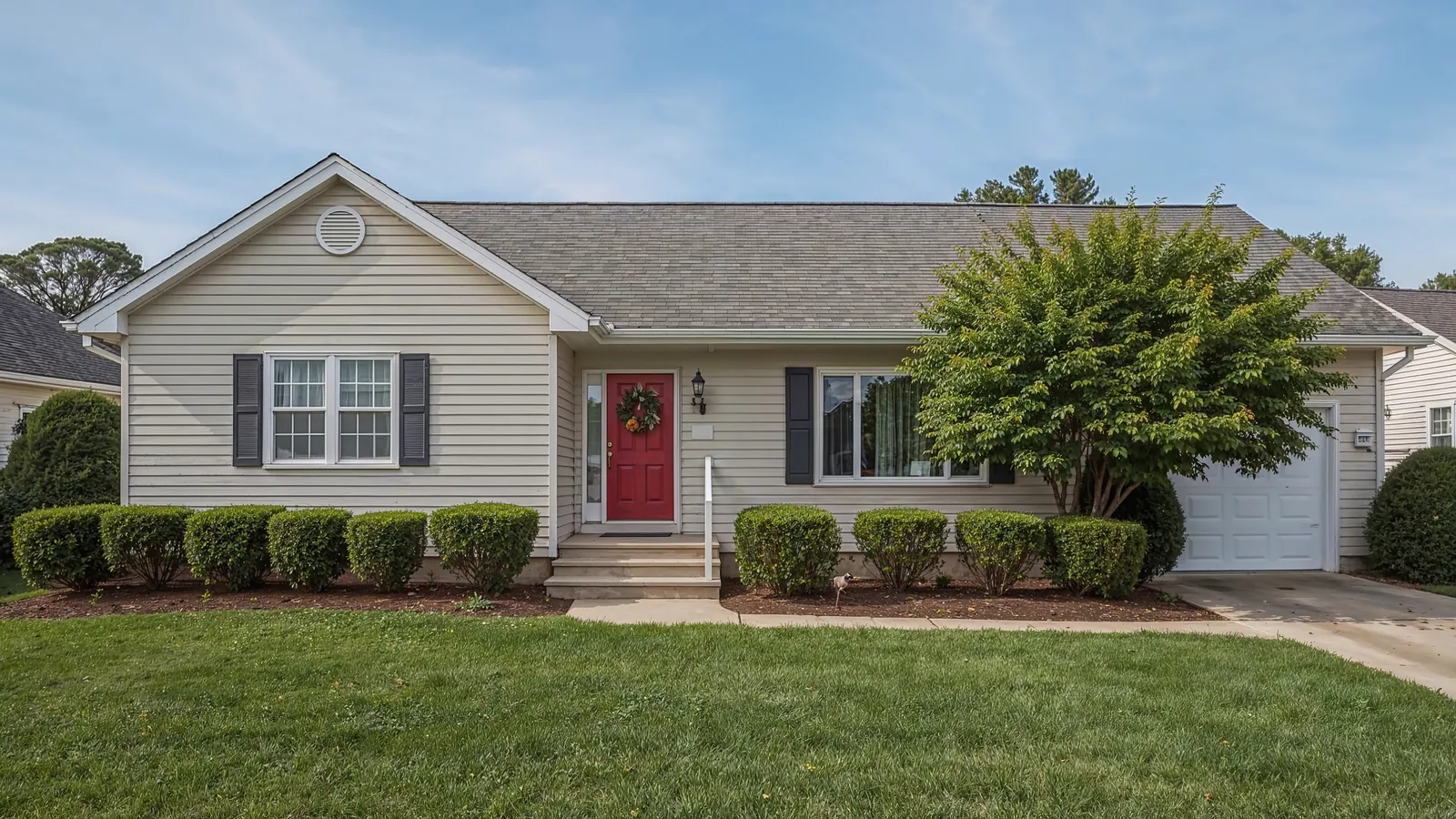
Gray shingle roof and red front door on a tan ranch house

Roofing Materials in University Park, TX

Which roofing materials suit a University Park, TX house is settled mostly by pitch, framing and roofline before anyone opens a sample case.

Call (214) 307-9941 Describe the roofline, and how steep it looks from below.
Structure FirstWhat the framing will carry
Nothing AssumedUnderlayment and flashing priced, not implied
Get your estimateThe address, and the roof's shape if you can describe it.
Where the choice comes from

The building narrows the list before you do

Every covering makes demands of the structure under it, and a house either answers those demands or it does not. Slope decides what can shed water and what needs a sealed membrane instead; framing decides what weight is allowed up there; and the count of valleys, chimneys and vents decides how much of the roof is joint work.

So the useful order runs structure first and preference second. By the time a local roofer has measured the pitch, looked at the framing and counted the penetrations, the realistic list is usually two or three coverings long, and choosing among those is the part that gets to be about what you want.
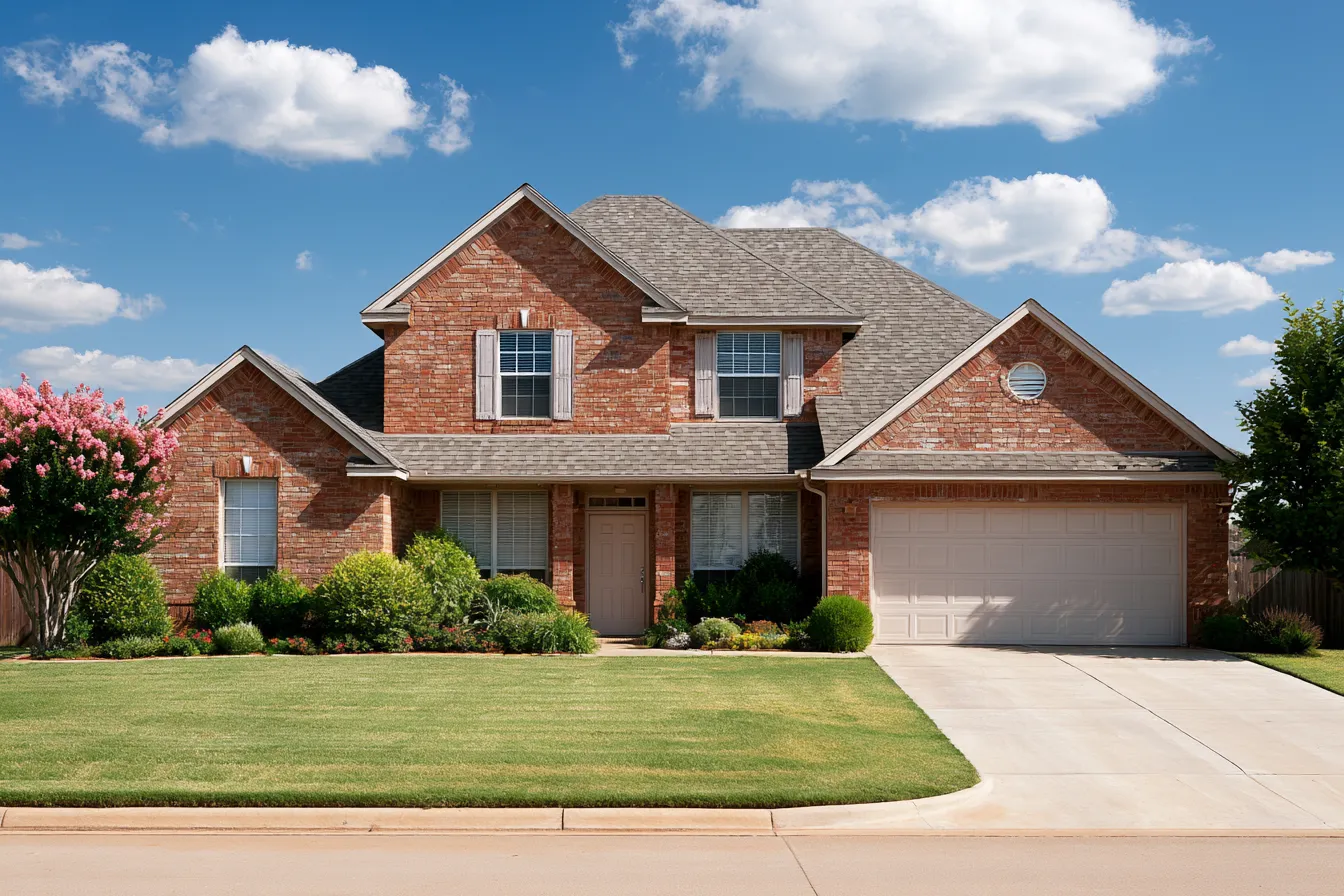
Red brick two-story house topped with a gray architectural shingle roof

The parts that make up a finished roof

Three of the six below are coverings and three are the layers that sit under them, because a roof is an assembly and only the top of it is visible from the yard. Each card carries what the part is built from and what it is there to do.

01

Architectural asphalt

LookDimensional, layered
Holds up toStrong wind
Most-installedOn homes here
02

Impact-resistant shingle

Built forTaking a hail hit
LookSame as architectural
May earnAn insurance discount*
03

Standing-seam metal

SeamRaised, concealed
FastenerHidden, not face-nailed
ProfileFlat pans, standing ribs
04

Synthetic underlayment

CoverageField-wide
WalkabilityHigh-grip
Vs feltNo strip gaps
05

Ice-and-water shield

TypeSelf-adhered
WhereValleys + eaves
JobBacked-up rain
06

Ridge ventilation

BalanceIntake + exhaust
JobThe assembly breathes
EffectFull rated life

* Figures for warranty and insurance track the product and carrier; everything is confirmed in writing before the job starts. Manufacturer coverage depends on the installed system.

What the house rules in and out

The table runs the opposite direction from a sample board: start from what your roof already is, and the options shorten themselves. None of this is about how the finished roof looks.

The building
What it allows
What it rules out
Steep slope, many planes
Shingle, metal panel, standing seam
Anything needing a sealed flat membrane
A low-slope or flat section
Single-ply membrane, modified bitumen
Shingles, which need slope to shed
Lighter framing, older spans
Asphalt and most metal panel
Heavy tile and stone-based coverings
Many valleys and penetrations
Any covering, with more flashing
Any budget that ignores the joints
An attic that cannot breathe
Nothing, until intake and exhaust balance
The full rated life of any covering
Questions

Matching a University Park roof to its material

Material questions usually turn out to be structure questions wearing a different hat. Each one below starts there.

Q1Can I put a heavier covering on the roof I have?
Sometimes, and the answer comes from the framing. Heavier systems need spans and members rated to carry them, and where those are not there, the choice is reinforcement or a lighter material. Whoever quotes a heavy covering should be able to say which of those two your house needs and price it accordingly.
Q2What happens to a metal roof when hail hits it?
Metal holds up under hail, and it records the hits where asphalt hides them. A panel can take a strike, stay watertight for its full life and still carry a visible dimple, so the real question is whether you can live with a roof that shows its history. Nothing about that dimple is a failure, which is worth knowing before a claim conversation starts.
Q3Why do the layers under the covering get their own lines on an estimate?
Those layers are separate decisions with separate prices, and they settle more about how long the roof lasts than the covering on top does. Underlayment grade, where the sealed membrane runs, whether the flashing is new or reused, and how the attic vents are each a choice somebody made, and each one is checkable when it is written down. Left unnamed, they are assumptions. Within asphalt, the grades differ by impact rating and weight.
Next step

Name the covering the house carries now

Send the address and describe the roof as well as you can see it from the ground. What comes back is what the building will actually carry, and when that rules out the covering you had in mind, you get told at the start. The shortlist arrives in writing, and you can sit with it as long as the decision needs.

Call (214) 307-9941Mention any covering you are already leaning toward.
Pitch and framing readLayers listed separatelyLimits named early
Get your estimateWhat is up there now, and what the framing will carry.
Call Free Quote