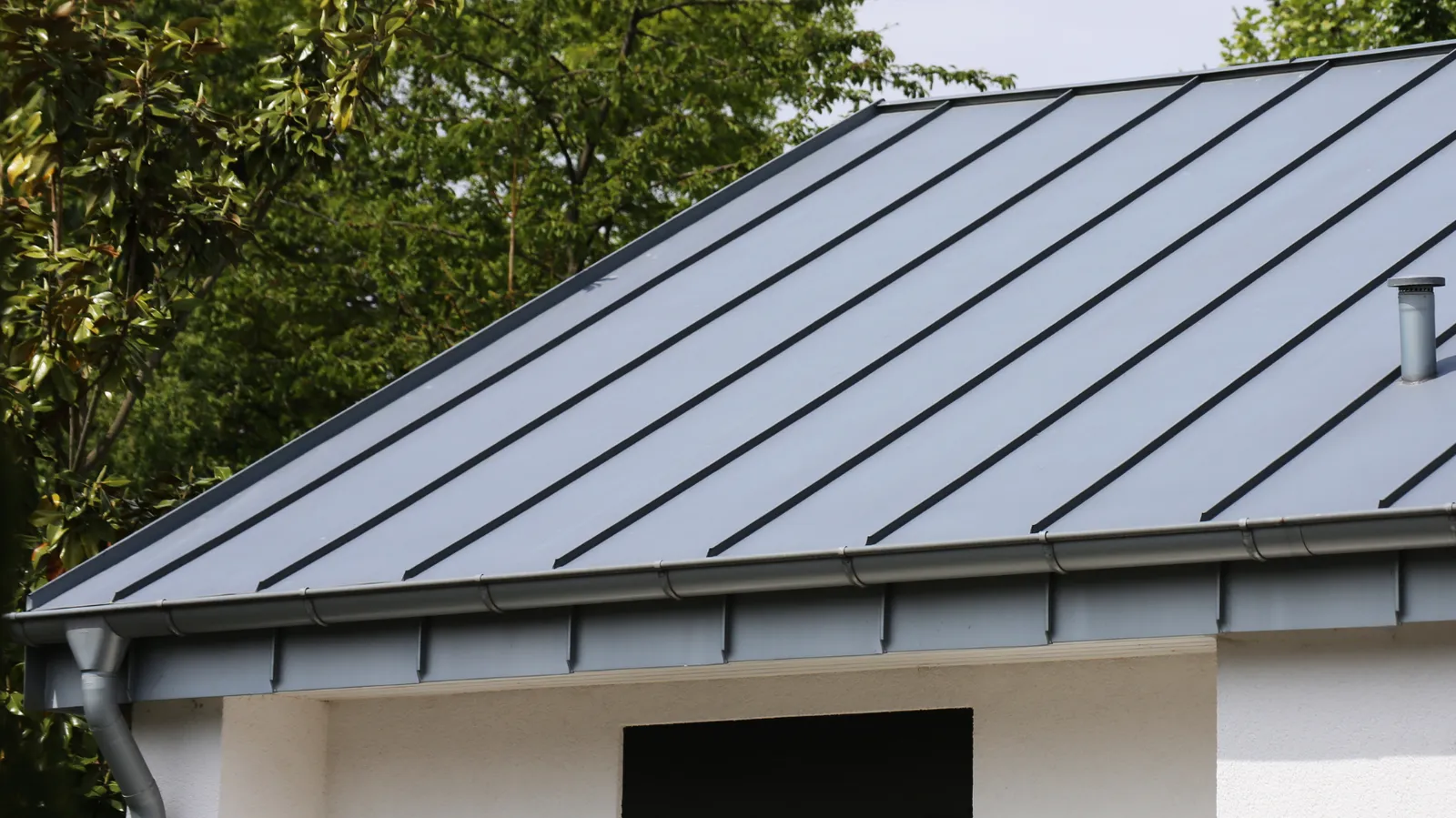
Metal Roofing in University Park, TX
Metal roofing in University Park, TX is usually asked about for one of two reasons: the roof keeps needing attention, or the house wants a different look. Those lead to different panels and very different numbers.
Not all metal roofs are the same product
The word covers two systems that behave differently and are priced far apart. Standing seam joins panels with a raised, folded seam and holds them down with hidden clips, so nothing is driven through the face of the panel. Exposed-fastener panels are screwed through the face into the structure, with a rubber washer at every screw.
That difference decides the maintenance conversation for the next thirty years. A standing seam roof has almost nothing to re-tighten; an exposed-fastener roof has thousands of washers that age faster than the metal around them. Both are legitimate, and only one of them is usually what somebody picturing a metal roof has in mind.
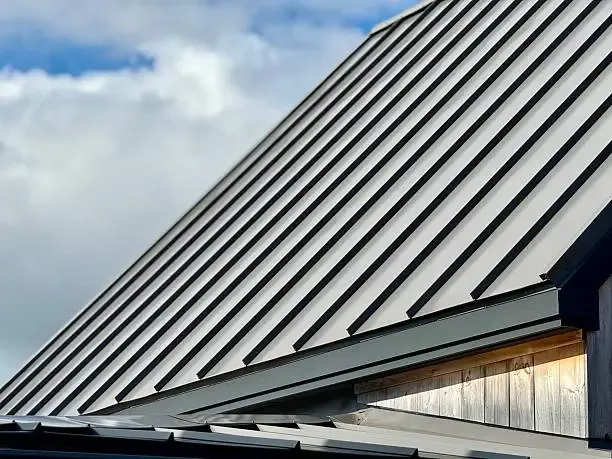
What changes when a University Park roof goes to metal
Four things separate a metal quote from a shingle one. None of them is the metal.
- 01Seam Or Screw
- Standing seam hides its fasteners and lets panels move; exposed-fastener panels are cheaper up front and put a rubber washer every few feet. The second is a real product, not a bad one, but its clock is set by the washers.
- 02The Deck Underneath
- Metal goes over solid decking with a high-temperature underlayment, because the assembly runs hotter than shingles do. Where the old covering hid soft boards, they get replaced first, and that is found at tear-off.
- 03Every Interruption Costs
- A shingle roof absorbs valleys, sidewalls and vent penetrations cheaply. Metal has to be cut, flashed and closed at each one, so a cut-up roof costs far more per square than a simple one.
- 04Room To Move
- Panels expand and contract with temperature, and the system has to allow it. Clips and slotted fastening are what stop that movement from working the seams loose over years of Texas heat.
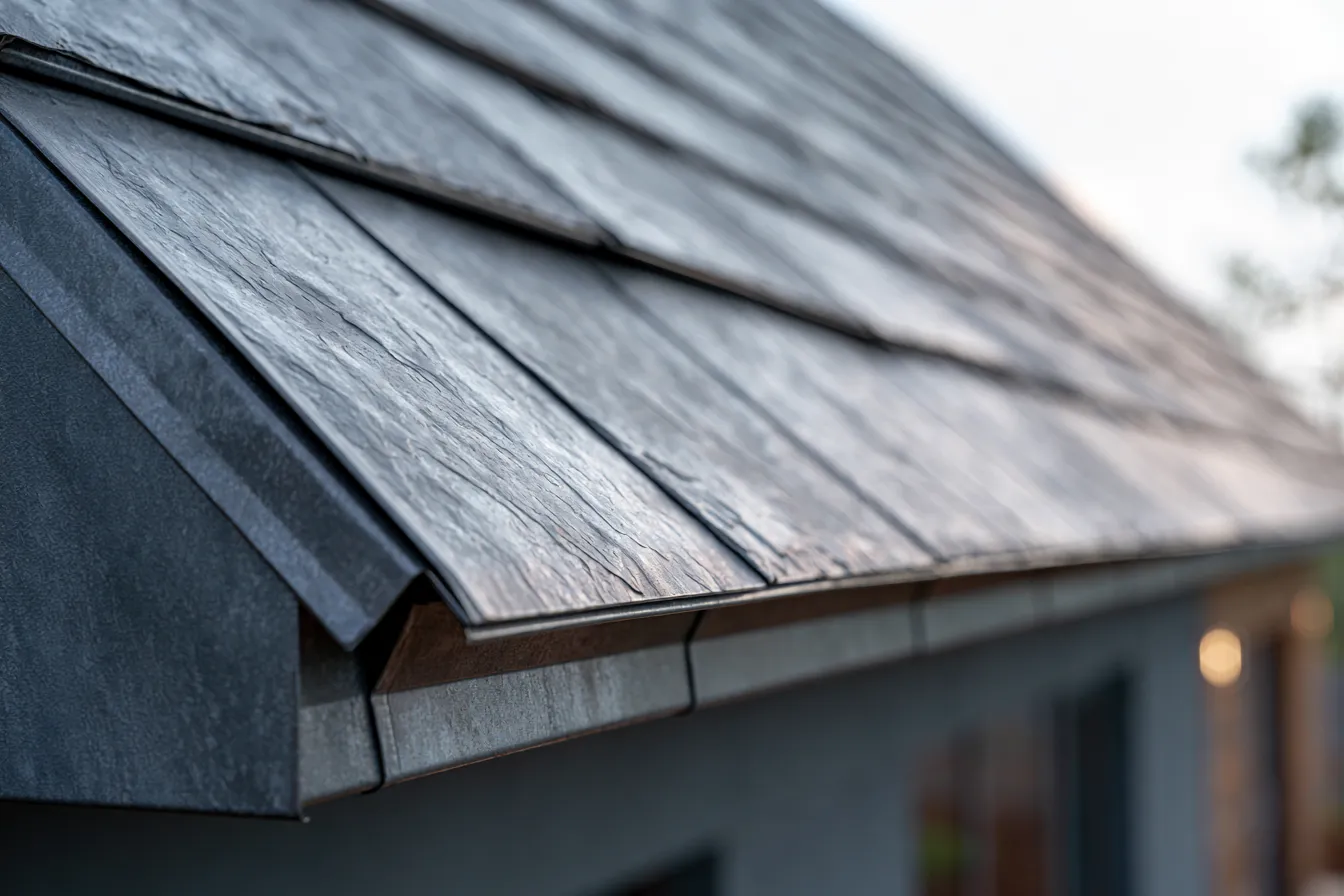
Where only a porch, bay or dormer is going to metal, most of the above still applies. The details simply arrive on a smaller roof.
How a University Park metal roof gets specified
Three steps. The panel is chosen last, not first.
What the roof shape allows
Our roofer measures slope, run length and the number of valleys and walls, because those decide which systems are even appropriate. A very low slope rules out some panel profiles entirely, and that is settled before any product is discussed.
What the assembly needs
Decking condition, underlayment type and how the panels will be fastened are specified together, since they only work as a set. Substituting one cheaper element after the fact is how a metal roof ends up with a shorter life than the metal.
What gets written down
Panel profile, gauge, finish, fastening method and how each valley and wall is flashed, on paper. Two metal quotes that differ by a large sum usually differ on these lines, and without them the cheaper number looks like the same roof.
Signs metal is the wrong answer for this house
Metal suits many roofs and not all of them. These point the other way.
- A heavily cut-up roof with many valleys and dormers: every one is a hand-formed detail, and the price climbs faster than the roof area suggests.
- A short remaining stay in the house: the case for metal is made over decades, and a sale in a few years rarely returns the difference.
- Deep shade with heavy leaf fall: debris sits on low-slope metal sections rather than washing off, and the panels are not the part that suffers.
- A budget set by the shingle quote: metal is not a slightly more expensive shingle roof, and pricing it that way ends in an exposed-fastener compromise nobody wanted.
None of these rules metal out. They are the places where the money may do more elsewhere on the house.
Why metal quotes land so far apart
Metal is priced on the system, the complexity of the roof and how much labor the details take, far more than on the panel itself. A simple gable and a cut-up roof of the same area are not close.
The line most likely to separate two quotes is fastening method. A quote that names the profile, the gauge and how panels are held down can be compared; one that says only "metal roof" cannot.
Ask what metal would cost here- Standing seam with hidden clips, or panels fastened through the face
- How many valleys, sidewalls, dormers and penetrations have to be formed
- Gauge and finish, and what the finish is warranted against by its maker
- What the decking turns out to be once the old covering is off
What a University Park roof asks of metal
Two things here work on a metal roof harder than rain does. Summer heat drives the daily expansion and contraction the system has to absorb, and hail arrives on a surface that shows every strike.
The second one is worth understanding before the decision, because a dented metal panel and a failed metal panel are not the same thing, and they are not treated the same way.
- 01Dents Are Not Leaks
- Hail marks metal readily and rarely makes it stop shedding water. What that means for a claim depends entirely on the policy wording, which is a question for the carrier.
- 02Heat Moves The Panels
- Long runs grow and shrink measurably through a summer day. A system that pins them instead of letting them slide works its own seams loose.
- 03Waviness Comes With It
- Broad flat areas of any metal panel show slight waviness in raking light. The trade calls it oil canning, it is cosmetic, and it is not a defect.
A roofer who raises oil canning before you notice it is describing the material as it behaves. One who promises a perfectly flat metal roof is selling something metal does not do.
Metal roof questions on a University Park house
System, cost, hail and noise. Each answer says what settles it.
Q1Is a metal roof loud in rain?
Q2How much more than shingles should I expect to pay?
Q3Will hail ruin it?
Q4Can metal go over my existing shingles?
Q5Just the porch and bay windows, not the whole roof. Does that work?
Q6What actually fails first on a metal roof?
Say which roof you have and what you want it to do
The covering on it now, its rough age, and whether this is the whole house or one section is enough to start. From there our roofer can say which systems suit the roof and which do not, and if metal will not return what it costs here, that comes back as the answer rather than as a quote. The numbers are yours to keep, and nothing here asks you to decide today.