Serving University ParkFree inspections
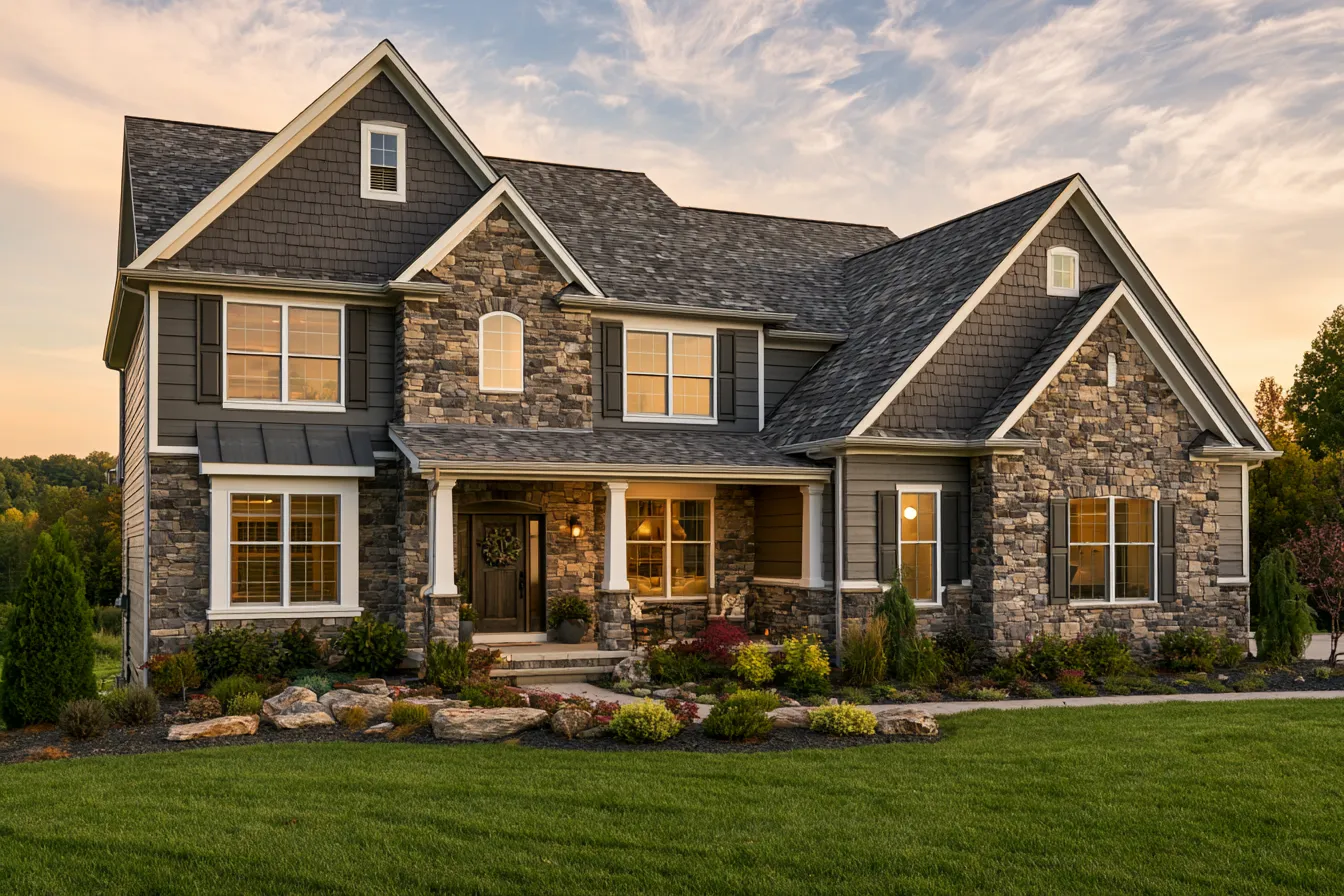
Under a dark gray shingle roof this two-story home combines stone and siding with a covered porch

Roof Insurance Claims in University Park, TX

Most owners here have carried the policy a long time without ever needing to use it. A roof insurance claim in University Park, TX turns on documentation: what condition the roof was in, on a date, described so that somebody who was never on it can read it.

Call (214) 307-9941 Say whether a claim is already open.
Dated ConditionPhotographed plane by plane, with the date on it
Your ClaimFiled by you, in your name, on your timing
Get your estimateThe address, plus the date of loss if you have it.
How a claim is decided

A claim is settled on a record, not on a recollection.

Nobody keeps the policy documents open on the kitchen table. The sequence people expect is that they report the damage, somebody comes out and looks, and the roof either qualifies or it does not. What actually happens is narrower than that: an adjuster describes the roof as they find it the day they climb it, and that description is what the carrier reads.

Age complicates that description, because it has to tell apart two things that end up looking alike. Storm damage and ordinary aging both produce lost granules, cracked mat and lifted edges. Early on the two are easy to separate. A year later the separation is an argument, and the roof has stopped helping.

That is the argument for being up there together: when the adjuster goes up, your roofer can be on the slope, pointing at what the report will have to describe.
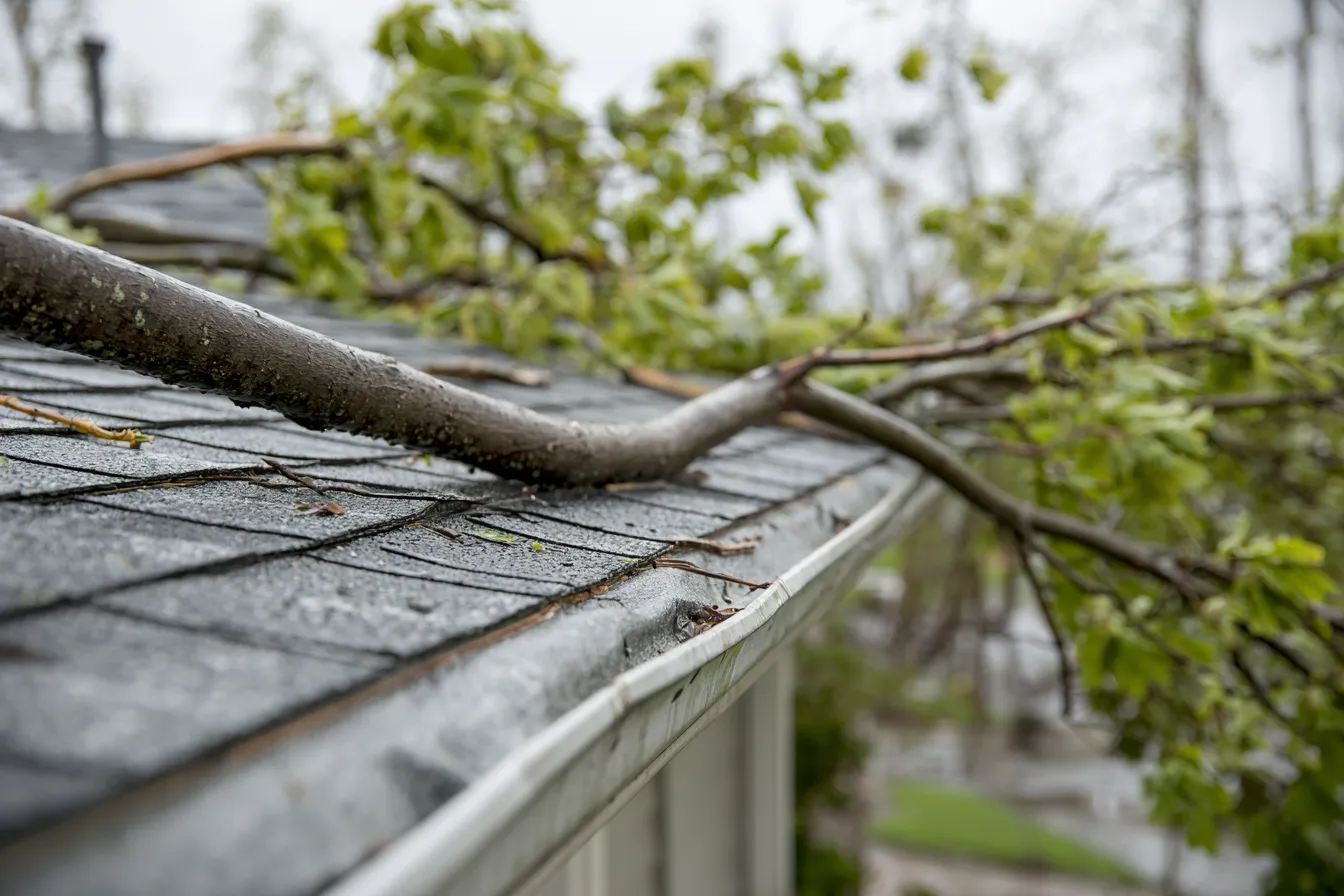
Across a roof edge and gutter a fallen tree limb comes to rest
On an older roof

What decides a hail claim on an older roof

An adjuster is not there to judge whether a roof is old. They are judging whether a storm did something to it, and on an aged covering that distinction comes down to a handful of specific readings.

  • The pattern the marks make, since impact lands at random across a slope while wear follows the courses and the paths people walk.
  • Whether a strike broke the mat or only moved granules, because a scuffed surface on a thirty-year-old roof and a fracture through to the fiberglass are not the same finding.
  • What the soft metal shows, since a vent cap or a length of drip edge cannot age its way into a dent and so dates an event better than the shingles do.
  • How earlier work reads alongside the new damage, because a slope that has been patched before invites a longer conversation about what is storm and what is history.
  • How much of a slope carries it, counted out in a marked-off section rather than summarized in a sentence.

None of that is a ruling. Approval, and the size of it, belongs to the carrier alone, and anyone who tells you the outcome in advance is guessing.

What the roof can still show, and when

Evidence on a roof does not disappear all at once; it goes in an order. The rows below set out what a slope typically still carries at each stage after a hail day.

What the storm left
In the first weeks
A year or more on
Bruised mat
Dished, darker than the slope around it, soft under pressure and countable
Weathered level with everything near it, and arguable in either direction
Granule loss
Bare patches, with fresh grit collecting at the downspouts
Hard to tell from the ordinary shedding of an aged slope
Split or fractured mat
Clean-edged, open, and sitting where a stone landed
Curled and dirt-filled, which reads as age to most eyes
Dented soft metal
Bright marks across vent caps, flashing and gutter faces
Unchanged, and by then often the plainest thing left on the roof
Water in the structure
Usually nothing to see yet
A ceiling stain, by which point the decking is part of the conversation

Rows describe how hail evidence typically weathers on an asphalt roof.

Questions

Claim questions University Park owners run into

These arrive in roughly the same order every time, and the first claim is where all of them land at once.

Q1Does the roofer deal with my insurance company?
No. The claim is opened by you, with your carrier, and the settlement is between you and your adjuster. A local roofer records what is on the roof and gives you the file. Nothing is reported, negotiated or argued on your behalf, and no roofer can commit to an outcome that belongs to somebody else. What the storm did to the covering is read on the roof itself, and that reading is storm work.
Q2Will insurance cover a 20 year old roof in Texas?
Sometimes, and the age is not the thing that settles it. Two other questions do most of the work: whether the policy pays replacement cost or actual cash value, and whether the damage on the roof can be tied to a storm rather than to the two decades in front of it. An older roof depreciates further, so the same finding can produce very different settlements on two houses on one block. Your declarations page names which kind of policy you hold, and it is easier to read before a storm than after one.
Q3How much does insurance pay for roof replacement in Texas?
Whatever the policy provides, less the deductible, and the spread is wide enough that any figure offered to you in advance is invented. A replacement-cost policy generally pays in two parts, with a portion held back until the work is finished. An actual-cash-value policy pays once, with depreciation taken out and not returned. Nobody outside your carrier can say which number lands, and Texas law requires that you pay your own deductible.
Q4Should the roof be documented before I call it in?
Doing it first tends to make the call more specific, because you can describe what is up there instead of what you suspect. An opened claim stays on your history with the carrier whether or not it ever pays, so it is worth knowing the condition of the roof before starting one. Either order is allowed, and neither one commits you to work.
Q5The adjuster is coming next week. What should be ready?
The date of the storm, photographs of the roof as it stood before anyone touched it, and a plain list of which planes carry what. A roofer can be on the property for that visit if you arrange it with them directly. Work with the adjuster during that visit, and keep your own copy of everything that gets recorded.
Getting it on record

Get a University Park roof documented before the claim moves

Two things start it, an address and the day the hail fell, and a local roofer then photographs the slopes, writes down what condition they are in and dates the file. The record is written the same way whether it helps a claim or hurts it, because a document that only ever says what you were hoping to hear is worth nothing to an adjuster and less than nothing to you. Say what happened once, and that is the last time you have to repeat it.

Call (214) 307-9941Bring the claim number if one exists.
You file it and you decideNothing called storm damage unless it isNo contact with your insurer from this side
Get your estimateThe address, the storm date, and whether a claim is already open.
Call Free Quote